It could make engineering much simpler if all the water flowed at the same speed.
It’s not.
The quantity of wastewater flowing into a residential system varies throughout the day. Industrial and commercial facilities can experience operating peaks. The flow of stormwater can be affected by weather conditions. Clean-water demand also rises and decreases depending on the application.
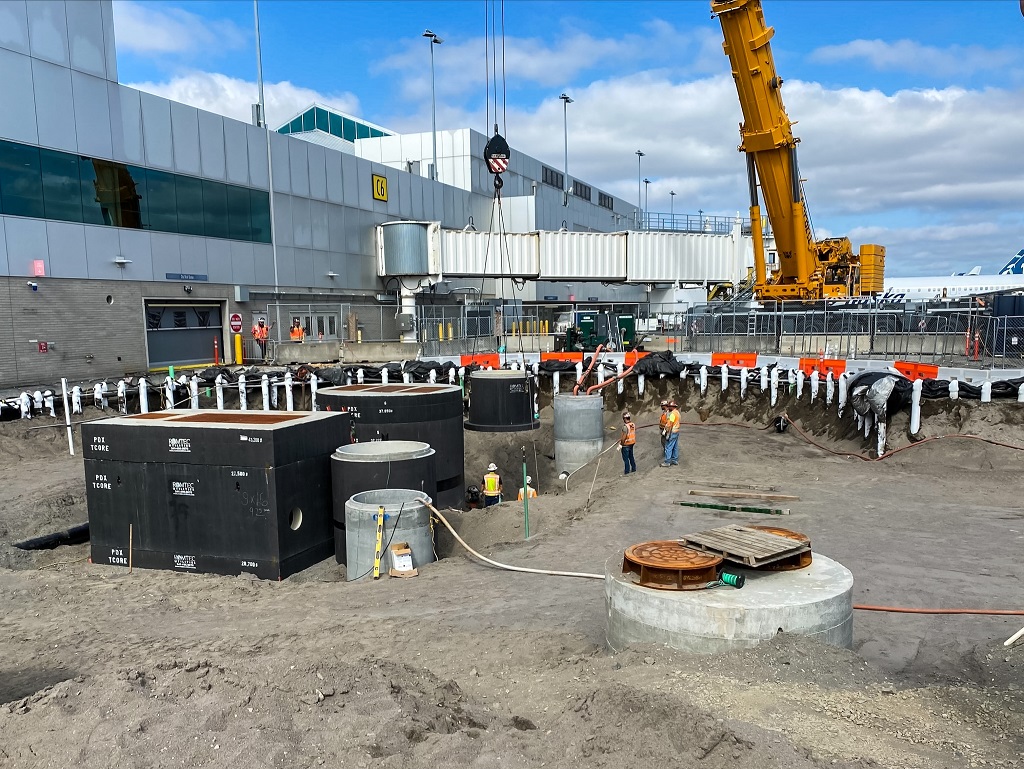
Image credit: romtecutilities.com
As a result, designing a pump station isn’t simply a matter of identifying one flow number and selecting equipment capable of meeting it. Engineers need to be aware of the environment that the system will be exposed to.
Don’t just think about maximum capacity, but also the operating conditions
Maximum flow is obviously important however it is only one aspect of station operations. Imagine a wastewater system designed to provide a high peak flow. In the majority of cases the flow coming in is less. The station still needs to be operational during normal intervals.
This raises concerns about wet-well size the pump’s operation and controls and head conditions as well as how equipment will respond to an ever-changing demand.
A properly engineered package pumping system brings these factors in line with the requirements of the location, instead of thinking of maximum pump capacity as the entire design objective.
Wastewater Has Its Own Daily Timeline
The conditions of the influent at the wastewater liftstation that serves households, businesses or municipal infrastructure will change as a result of its operation.
The station’s control strategies determines how the system is able to collect wastewater and operate its pumps. This requires the structural dimensions, pumping gear, valves and piping as well as electrical components.
Other considerations specific to the site could enter the design. Romtec Utilities will incorporate any auxiliary systems, such as grinders vaults and odor-control devices when needed. The result is a system engineered around the project instead of a standard configuration which is used at every wastewater site.
Stormwater changes much more quickly
Stormwater is a completely different process. A stormwater-related lift station might see relatively little activity during dry conditions but then experience substantially greater inflow when a weather storm occurs. Stations can be a part of larger flood control techniques, such as detention or treatment which is why the stormwater plan is an essential element of system design.
Romtec Utilities takes into consideration aspects like the flow rate needed, the head conditions, the size of the system as well as the needs of the location and environmental aspects in the design of these systems.
Stations for commercial development may look very different than those designed to serve municipal stormwater needs.
Head conditions are important along with Flow
The ability to move 1,000 gallons is just part of the engineering problem. Engineers also have to determine where the water is going to go and the level of resistance required by the pumping system.
Elevation changes, piping configuration discharge conditions, and other aspects of the system can affect the head conditions that pumps operate.
The connection between flow rate and head is one reason that deciding on a motor solely on its capacity won’t be enough. The technology of the pump and station configuration must be matched to the hydraulic parameters throughout the application.
Plan for the conditions that the station will be exposed to
Romtec Utilities designs and develops custom pumping systems designed to meet the requirements of wastewater stormwater management and clean water, industrial applications, boosters, and much more. Its procedure may involve budgeting and design in the beginning including complete plans, system supply, documentation and startup, testing, and commissioning.
The idea behind the design is quite simple Pumping systems don’t need to be able to operate for their entire life under a single set of conditions.
It is also important to consider project-specific hydraulic needs, as well as changing demand, flow, and requirements. It is important to design a station that can manage this challenge.