The majority of people don’t think about the sewer infrastructure, yet every business, home, school, and public facility depends on it. When sewer systems function properly they’re not in view. If they fail, their consequences could be costly disruption and swift. A properly-planned wastewater lift station is an an essential element of modern-day infrastructure.
In many locations, gravity alone cannot move water to the treatment plant. Pumping systems are usually needed to keep sewers flowing because of elevation changes as well as long pipe routes flat terrain and growing development. Lift stations can bridge the gap and aid communities and private developments safely move waste.
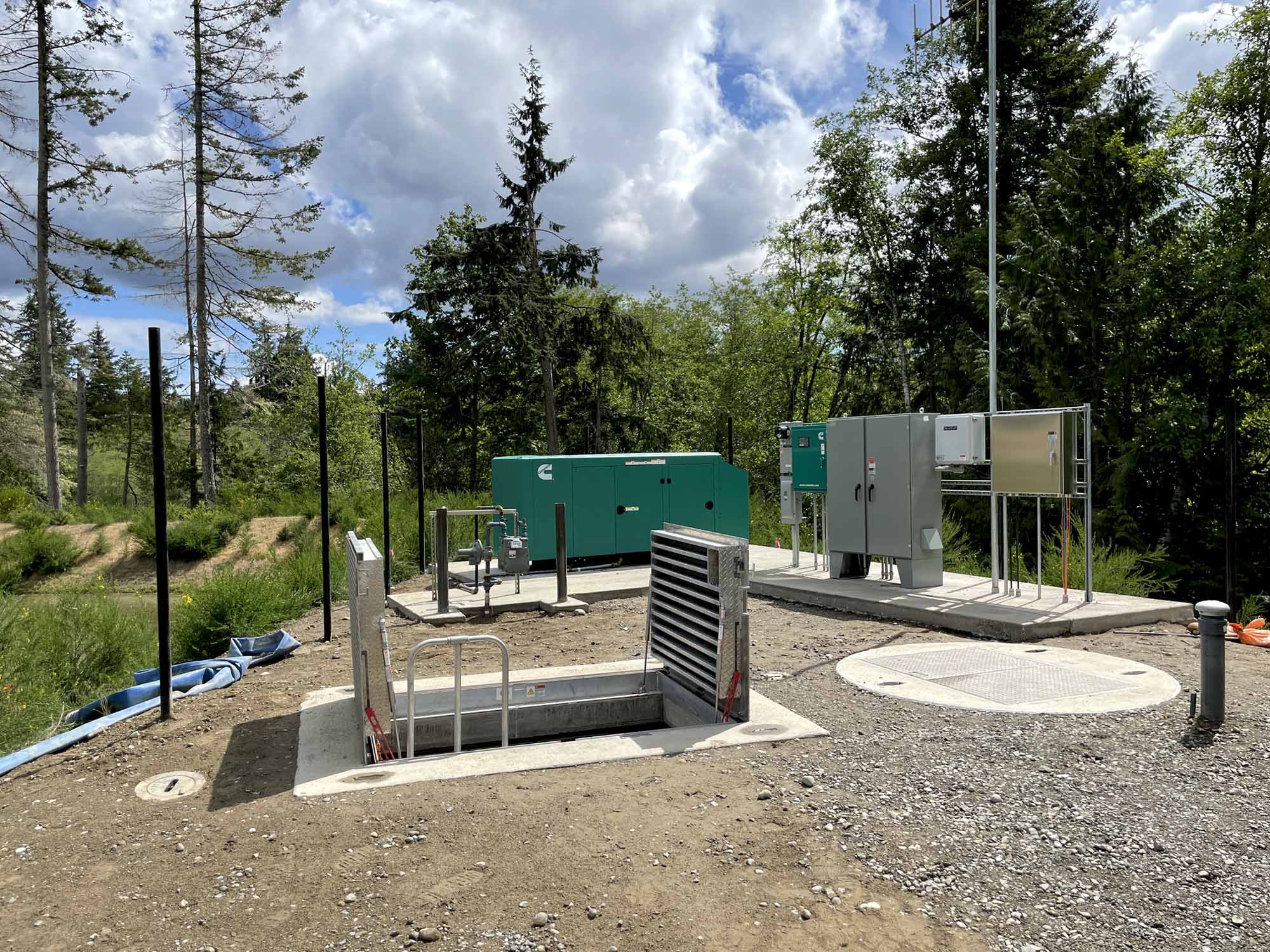
Every wastewater project will have different requirements
The majority of sewer lift stations are designed with the same intention. Municipal stations serving the growing population is different from private commercial development or an industrial site with higher demands on wastewater conditions. The rates of flow, the layout, maintenance access, and the local design standards will all influence the manner in which a station can be constructed.
A custom design is essential. Romtec Utilities builds each lift station to meet the requirements of a specific project, rather than trying to force all locations into a standard package. Certain pumps require low-flow for residential use or industrial or municipal solutions with high capacity that have advanced control systems, coatings, and redundancy in place right from the beginning.
Design is not only about pumps
A wastewater lift station does not consist of a wetwell and a pump. It’s a whole system comprised of structural, mechanical, electrical, and communication components that must cooperate. Pump selection, valve positioning controls, coatings, valves and monitoring of flow are all elements that affect the performance of a station over the course of.
The best wastewater designers make a real difference. Poorly designed systems may technically function, but it can create many years of headaches with maintenance corrosion, operational inefficiencies, or disruptions to services. A efficient station, on other hand, is constructed not only to perform in the beginning but also to be reliable for years under real-world conditions.
Romtec Utilities designs wastewater systems for sewer districts and municipal authorities. They also design stations that are tailored to the needs of every client, such as their budget, the conditions of the site and their long-term goals.
A better planning will lead to a more successful long-term performance
Some wastewater systems require more than the standard station layout. According to the needs of the project, the lift station could include polymer concrete wells, safety liners, odor-control equipment, grinder pumps bar screen vaults and bypass ports for pumping or sophisticated communications systems. These aren’t features solely to make things more complicated. They’re what can make a station operate more efficiently and last longer.
This is why the early coordination during a project could be vital. Romtec Utilities provides integrated design support for the majority of lift station components, which makes it easier to procure and gives the project team a better understanding of how to go from concept to construction.
Reliable lift stations protect communities and budgets
A dependable wastewater lift station protects public health, supports development, and keeps sewer systems running without interruption. It also assists in protecting budgets of municipalities, developers and private property owners by cutting down on the necessity for emergency repairs, while reducing downtime and extending its life.
Most of the time, the best lift stations to sewers are the ones that nobody notices. They just perform their purpose. The way to achieve this kind of performance begins with a thoughtful engineering approach, site-specific design, and a partner who understands that wastewater infrastructure cannot be the same for everyone. Romtec Utilities applies this level of expertise to every sewer lifting station project. This assists clients in designing systems that are designed for longevity rather than for ease of use.