Imagine the apps you’ve got on your smartphone. You use them every day without pondering the loops of habit. Your thumb is aware of where to go. The effortless and natural interaction lies a significant amount of conscious human psychology and extremely technical engineering. Digital friction has become a zero-tolerance policy among modern users. A mobile device that is erratic, slow to load when data connectivity is weak, or misses a notification will be deleted in minutes. For those with funds and growth-oriented enterprise teams The stakes could not be more high. Making a product that succeeds requires more than just a stunning surface or stunning landing page. It requires a strategic partnership with a top mobile app development firm that designs for human retention as early as the first week of production.
How do you navigate the constantly shifting rules and regulations of ecosystems
Mobile-specific development is a specialized field in comparison to traditional web engineering since you’re building on moving sand. Apple releases an operating system that is updated every autumn. It introduces stricter privacy policies, retires legacy code structures and changes the app store review protocol. Google has its own timeline. It continually alters the way notifications function as well as the way background processes impact phone batteries. If your team isn’t keeping up with these continuously changing guidelines, it will cause your product to break quickly, resulting in negative feedback and a malfunctioning feature. Employers must have mobile app developers who view their work as not an individual coding session, but rather an ongoing process. Release engineering is an ongoing process that ensures automated shipping pipelines are active and secure throughout every operating system change.
The Crossroads of Native Experiences
When creating a new mobile strategy, the product’s creators will eventually come to a major structural crossroads: determining how code interacts with physical hardware. Choosing dedicated iOS app development services gives teams direct, uncompromised access to Apple’s latest native frameworks, allowing for butter-smooth animations and deep ties to specialized features like HealthKit or biometric security. On the other hand of the spectrum investing in specific Android app development tools ensures your app can take on the awe-inspiring variety of screen sizes and processing capacity found across the global device market. Native architectures are the ideal option when your business relies on a significant amount of access to devices. For example, interacting with Bluetooth devices that are very low latency, monitoring exact locations in real time or enabling frictionless checkout flows by making use of native billing.
Cross-Platform Engineering: Accelerating production timelines
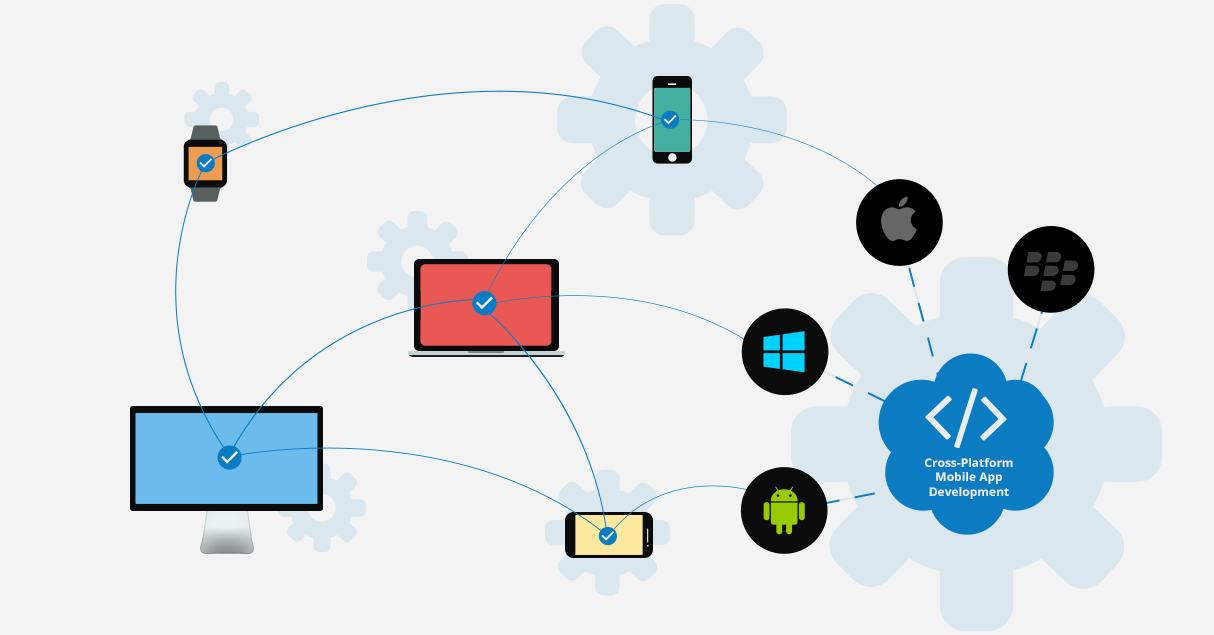
Many fast-growing companies competition and funding pressures make it difficult to launch apps across two separate operating systems simultaneously can put an enormous strain on resources. This challenge can be overcome by implementing a top cross platform app development strategy. It gives a single group of developers to create tests, maintain, and maintain a codebase that can be used on both platforms. This strategy cuts down traditional launch times by months, allowing companies to gather real-world user feedback at just a fraction of the cost. When choosing a Flutter-specific app development company, brands can develop highly stylized, perfectly pixel-perfect interfaces which maintain aesthetic consistency across all devices. With an established foundation of automated testing, as well as strong background data sync, this cross platform approach provides the best balance between rapid market access and high-performance execution.
Engaging users in a sustainable way
At the end of the day, the effectiveness of an app’s mobile launch will be evaluated through long-term, lasting users’ habits, not quick spikes in downloads. The most effective mobile architecture integrates important behavioral triggers in the tech stack, making sure that onboarding flows are able to deliver value within the first sixty seconds, that local data caches easily during unexpected cellular drops and that notifications systems adhere to the user’s focus. No matter if your team is working on a minimum viable product that is ready to go to demonstrate market fit or is working on an enterprise solution with stringent standards for data conformity The focus on the fundamentals remains the same. By committing to a structured, highly predictable engineering rhythm using Digital Heroes that respects your users’ time and performance to create an asset that is durable and fosters deep loyalty, drives steady business growth and will be on people’s screens for the foreseeable future.