Making great home cooking doesn’t require a lot of knowledge or an entire spice cabinet full of mysterious ingredients. Knowing how flavors interact is essential. It is crucial for any cook to know what herbs are compatible with various meats, such as salmon, pork or beef and how herbs react during cooking.
The type of meat, herbs serve various functions. Certain herbs are useful for cutting through fat and others can add freshness or warmth, while others require heat to release their flavour. If herbs are chosen with intention, the dishes are balanced and not busy. Cooking becomes more effortless.
What Herbs work with Pork and Why they Work
Pork is naturally sweet and has plenty of fat. This makes it a great meat that is herb-friendly. Understanding what herbs go with pork bring physical beauty into the kitchen.
Sage and rosemary are great as they blend richness with the depth of flavor. Thyme brings a delicate earthiness to all sorts of meats and vegetables, including braises, roasts and pan-fried cuts. Fennel seeds improve the sweetness of pork and are particularly beneficial when cooking slow-cooked or sausages. Bay leaf builds background flavour during cooking long, while parsley brightens dishes when it is added at the conclusion of a meal.
As pork absorbs flavour quickly, herbs are better used in marinades and ground meat instead of a basic surface seasoning.
What herbs go with beef without overwhelming it
Because beef is very bold by nature, herbs should be carefully selected to compliment and not compete. It is crucial to match intensity when choosing meat-related herbs.
Woody herbs, such as rosemary, thyme or marjoram, are able to resist high temperatures and long cooking time. They’re perfect for braises, roasts and steaks. Bay leaves infuse stews slowly with aroma, while sage makes slow-cooked meats more flavorful. taste. Oregano gives a sour and sweet taste to tomato sauces that contain minced meat.
An excellent guideline is to use light herbs sparingly for lean cuts and more powerful combinations on larger cuts like brisket or ribeye.
What Herbs Go With Salmon for Balance, not Weight
The rich, oily flesh of salmon benefits from herbs that add freshness and contrast. Knowing what herbs to use in salmon will prevent the fish from being too heavy.
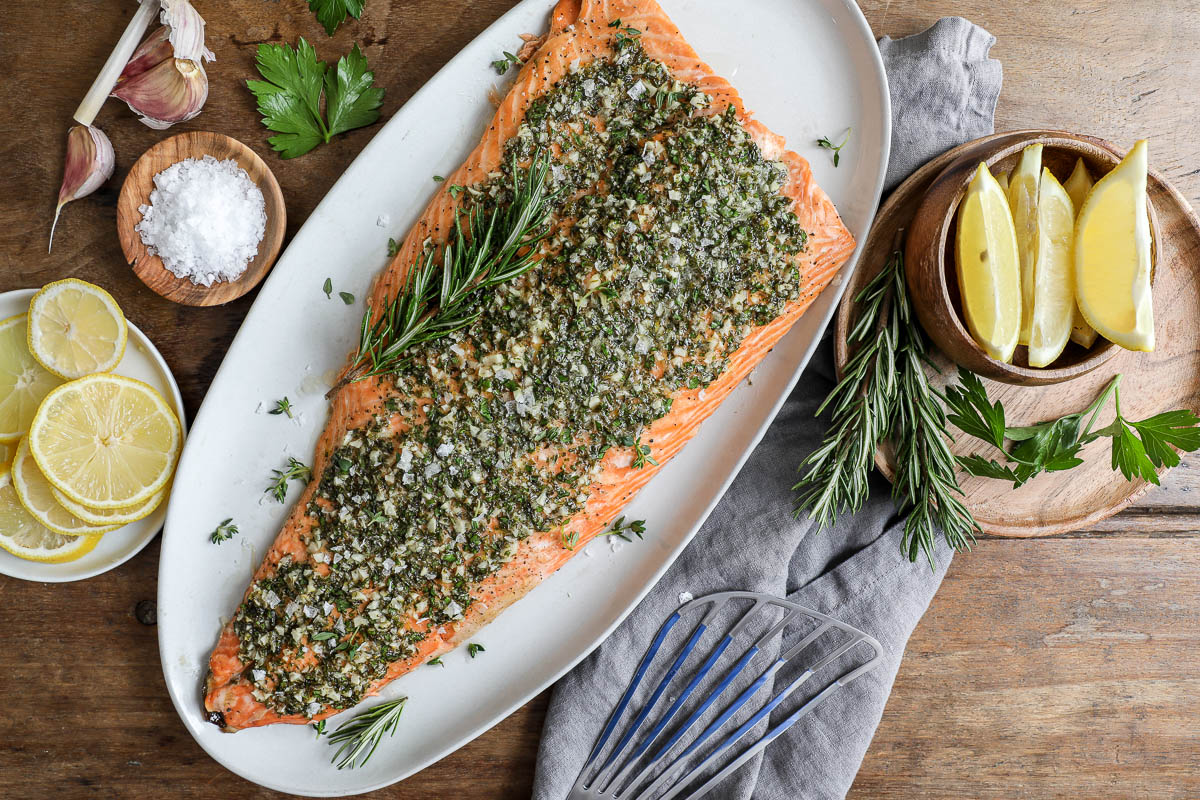
Dill remains a favorite because it enhances salmon without obscuring its flavor. Chives and parsley provide a bright taste and tarragon adds a delicate elegance that goes well with baked or poached food items. Basil is a perfect match with grilled salmon, and thyme provides the warmth of roasting.
Include delicate herbs in the process of cooking, because prolonged heat can alter their flavor. Citrus plays a key role in making herbs vibrant and well-balanced.
Herbs that are paired with chicken, in various cuts
Chicken’s flavor is mild, making it one of the most adaptable proteins. The best herbs to use with chicken will depend on whether you’re cooking dark or white meat.
Roasting is a wonderful method of using thyme and rosemary, with the skin still on. Tarragon is a great ingredient to improve the flavor of wine or cream-based dishes. The oregano is excellent for Mediterranean or grilled food. Sage provides warmth to butter sauces, and works perfectly with dark meat. Sage is a great choice for finishing herbs to add freshness.
In rubbing herb butter onto the meat’s skin, flavours will be released as the meat cooks.
Lamb and lamb-related herbs and how to use them confidently
Lamb is a meat with a strong, gamey flavor which can stand up to herbs. Knowing the right herbs to put in lamb can enhance its flavor without overwhelming the meat.
Rosemary is the most well-known combination, cutting through the its richness and staying put during roasting or grilling. Thyme and bay leaf make a great combination for slow-cooked meals, while oregano adds an edgy Mediterranean flavour. Mint and parsley add freshness to food, particularly when they are added as finishing touches or in sauces. Coriander is a refreshing addition to dishes that are spiced.
Lamb can benefit from a confident seasoning especially when cooked slow which absorb flavor over time.
Cooking with intention and not Uncertainty
Knowing the best herbs to use for lamb, chicken as well as salmon, pork and beef will help you simplify the cooking you do every day. It makes meal planning easier, helps you shop more efficiently and gives more consistently good outcomes.
Cooking becomes less of an experiment when you make use of herbs with purpose.