It’s very rare that a productive yard begins with expensive machinery or a gorgeously landscaped yard. Most often, it begins with someone planting a few seeds, watching what happens and making better choices for the coming season.
The informational resources of Sproutstead are based on a practical approach. It was designed to help people cultivate food, enhance soil, keep harvests in good condition and master strategies for self-sufficiency, without getting overwhelmed by technical terms.
Your Garden has Its Own Set of Conditions
The reality that gardens aren’t interchangeable is one of the reasons that gardening recommendations can be frustrating. The same tomato variety that is planted in a raised beds with sun in one area may be very different from the same tomato variety that is grown in the dense, rocky soil in another area.
Successful gardening and homesteading therefore involves more than following instructions. Knowing your personal conditions is vital for gardeners. This includes sun, soil, temperature and rainfall, the growing season, the area available, and the amount of time you are able to dedicate to maintenance.
The Sproutstead’s primary focus is to explain the various aspects so that readers are able to adapt the gardening knowledge for their home’s needs rather than trying to recreate the ideal setting of another.
Vegetable gardening starts below the surface
Naturally, people pay more attracted to plants that they can observe. However, the success of any gardening endeavor is mostly determined by the underground.
A proper balance between drainage, retention (retention of moisture), nutrients and organic matter is vital to healthy soil. Compost can help improve soil over time, while mulching can aid in conserving water and deter the growth of weeds. If you pay attention to these basics, you can help your vegetable gardening become easier. This is because having better growing conditions will give your plants a solid foundation.
Planning also matters. The efficiency of a gardener’s use of the space available can be determined by the spacing between plants, the time for planting crops, the garden’s companion plant and the seasonal succession.
Tomatoes Are a Lesson in Paying Attention
There’s a chance to hear 10 distinct stories from ten gardeners when you ask them questions about tomatoes. They’re among the most sought-after cultivars for home gardens, but they also illustrate how a variety of gardening conditions can work together.
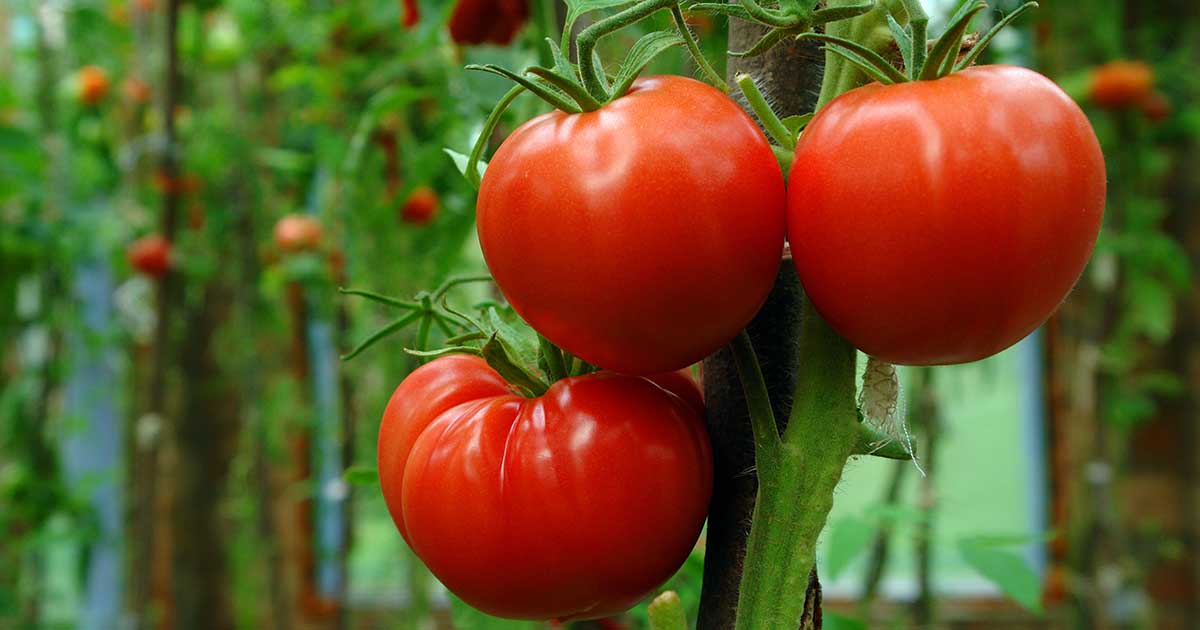
If you’re curious about how to grow tomatoes successfully, look beyond the planting depths and fertilizer schedules. The tomatoes require sufficient sunlight, constant watering, an appropriate soil, a proper spacing and support as they mature. The selection of tomato varieties is also important because the conditions of their growth, the available space and their intended uses could affect which tomatoes are the best.
It might not be feasible to solve the problem by increasing the amount of fertilizer. This could be due to excess nitrogen as well as low temperatures, the absence of sunlight or poor pollination. It is better to observe the entire plant than treat every symptom in a similar way.
Harvesting is only part of the story
If a quarter of your vegetables are rotten before you can eat the rest, it’s an unsatisfactory experience. An intelligent home-grown system for growing considers what happens after harvest too.
Canning, freezing, drying, sharing surplus food, preserving seeds that are suitable, and composting inevitably discarded food scraps can help families get more value from what they grow. Backyard chickens are a great way to combine with herb gardens, fruit trees and composting to make a household system.
It is not necessary to follow each homesteading method at once. Making progress is learning to grow lettuce or improve the quality of a compost pile and even preserving your first homegrown tomato batch.
Knowledge is Power: Better Gardeners are Made by Using Practical Information
It is not possible to guarantee the perfect plant with the most beneficial gardening advice. Pests, weather and seed failures could differ from region to region.
The Sproutstead sees these issues as a part of the learning process, not as an exception. The Sproutstead connects topics like soil, seeds, and vegetables beginning with self-sufficiency, pests (backyard chickens) preservation as well as backyard chickens. The readers learn more than just how to garden, but also about the reasons for it.
The same principles apply to constructing your garden to be more productive at home, slow, season by season and with a solid foundation.