Producing high-quality 3D assets once required an amalgamation of technical know-how, artistic skill, and significant time. Designers were required to manually create sculpts, apply textures, change lighting and make files suitable for various platforms. Artificial intelligence has revolutionized the process. AI-powered 3D modeling tools enable creators to create quickly detailed assets, starting from a simple text prompt or image.
This innovative approach makes 3D Design more accessible to both beginners and professionals, and also allows for quicker production as well as more creativity.
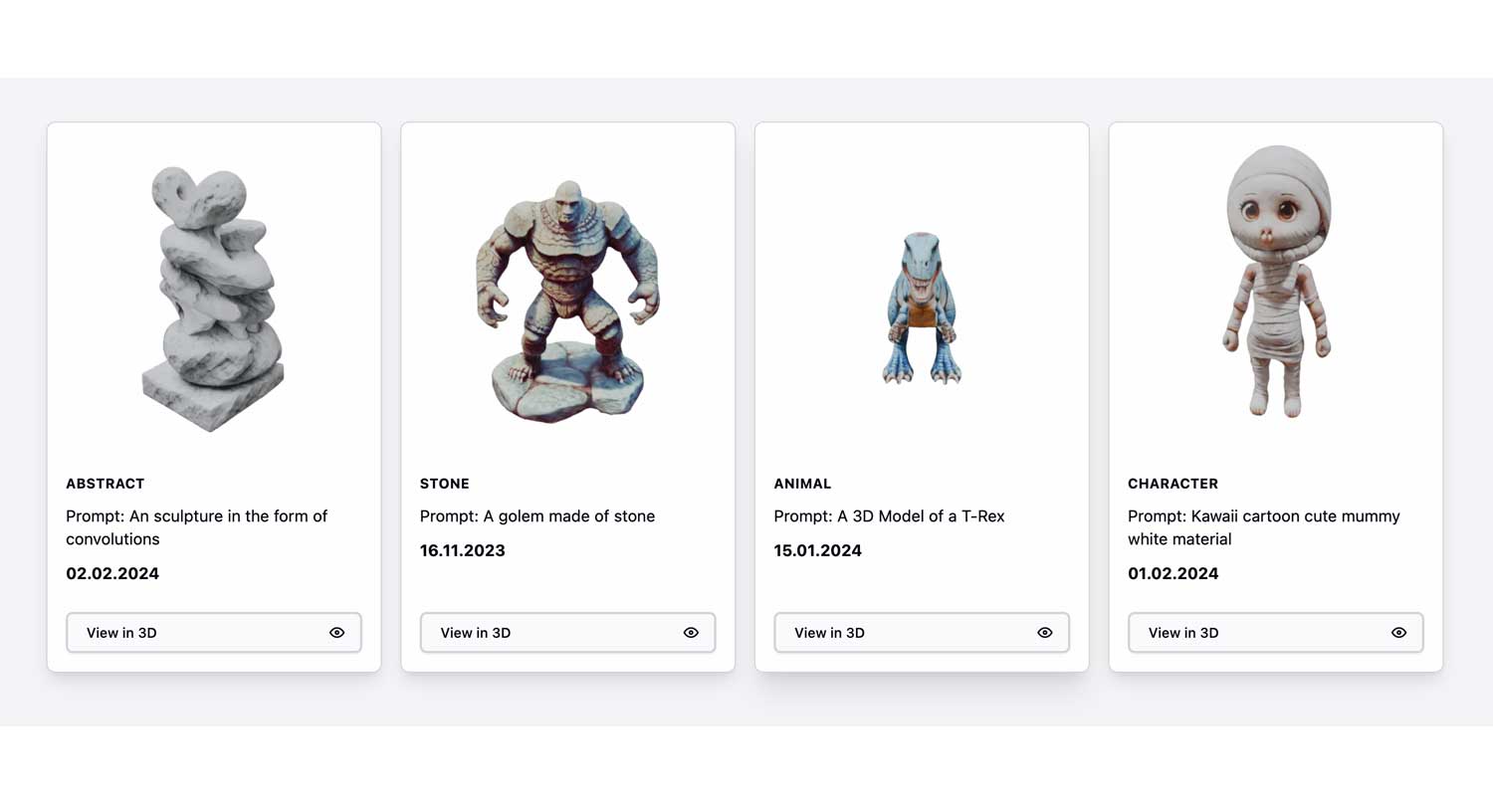
In a matter of minutes, you can go from image to 3D model within a matter of minutes.
One of the most remarkable advances in this field is the image-to-3D model technology. Artificial intelligence utilizes an image to identify shapes and depths. It then reconstructs the 3D model.
This is especially useful for industries that depend on speed and precision in their visuals. Game developers can prototype quickly and architects can see their buildings before they are built, and product designers are able to test ideas without long modeling sessions. Even marketers and educators are finding value in being able to transform ideas from visuals into interactive 3D media.
The time savings are significant. The savings in time are substantial.
AI 3D Modeling is gaining popularity
The demand for AI 3D model tools continues to grow because they simplify complex workflows. Artificial intelligence trained on large datasets can generate realistic shapes, materials and maintain consistency and accuracy.
The speed of this process does more than improve productivity; it also encourages creativity. Designers are able to test several variations of a single idea in a short amount of time, compare the results, and finally choose the most efficient solution. This process of rapid iteration is now a necessity in various industries like film production advertising, and e-commerce visualization.
Another important advantage is accessibility. Many of the modern platforms are designed so that users with little or no knowledge of 3D design can still make high-quality, professional-grade assets.
Integration seamless into professional workflows
For professionals, compatibility is just as crucial as speed. The most modern AI 3D models are created to seamlessly integrate into existing pipelines. Models are available in a variety of formats, such as FBX (File Format), OBJ (Object File Format), GLB (Global Language Base), STL and USDZ. This makes them easily useable in 3D printers, games engines, and rendering software.
The organization of asset libraries plays a key role in efficient production. A model that is stored in a searchable library helps teams organize their projects and keep them manageable. Searching for tags, downloading large files, and easily regaining previous versions are all ways to save time.
Privacy and security are becoming more popular, and allow creators the freedom to utilize their work in commercial and creative projects immediately.
AI Tools to Control and Improve Precision
A lot of people think that 3D modeling AI is a method to automatize the process. However, modern AI often comes with precise adjustment tools. Users can define pivot points and define precise measurements to ensure that objects are properly placed within the scene. These capabilities are essential to simulation, animation, as well as architectural visualization, where precision is crucial.
Artificial Intelligence can also be utilized to create realistic textures. This allows artists to develop materials faster. This helps reduce the requirement for manual painting time while maintaining an expert finish.
Looking Forward to the Future of 3D Model AI
As AI continues to improve it is likely that the capabilities of 3D model AI will increase further. While AI continues to develop, more advanced systems will likely create entire environments that optimize assets, and then adapt models with no additional steps.
Platforms built specifically to serve this purpose are showing how effective the tools they are. 3D AI Studio is the ultimate studio for 3D Assets. It represents a new generation of software that eases the creation process, streamlines workflows and helps designers move from an idea to a finished model in a short time with minimal effort.
Conclusion
How digital content is created changes as the capacity to create a finished product quickly has changed. Technology for converting images into 3D models and sophisticated AI 3D models tools allow creators to move beyond the manual slow workflows.
As technology continues to advance, they will have a bigger impact on industries ranging from entertainment and gaming to engineering and education which will make high-quality 3D creation faster, smarter and more affordable than ever before.